Farmers’ Market Food Safety & Quality
Whether shrink-wrapped, freeze-dried, or in a sealed bag that’s in a sealed box, typical groceries are extensively packaged and preserved. For many grocery store shoppers, packaging and preservatives are indicators of food quality and safety, which could make farmers’ market foods seem risky by comparison. But in reality, small-scale farmers, ranchers, and food vendors follow a variety of quality-assurance and food safety guidelines. Here’s a look at what really happens behind the booth.
Producer-only markets
For the freshest farmers’ market foods, look for markets that describe themselves as “producer-only”. This description means that vendors have to grow or make what they sell themselves and can’t resell products made by someone else. While “producer-only” is a voluntary standard, markets who opt for this model usually have an inspection or farm visit system to ensure vendors are producing the goods they bring themselves.
SFC Farmers’ Markets
At Sustainable Food Center (SFC), our knowledge about market food safety comes from experience at our own markets. We operate two producer-only markets in Austin, SFC Farmers’ Market Downtown and SFC Farmers Market at Sunset Valley. SFC’s Farm Viability team makes in-person visits to farms selling fresh fruit and veggies, eggs, dairy, and meat.
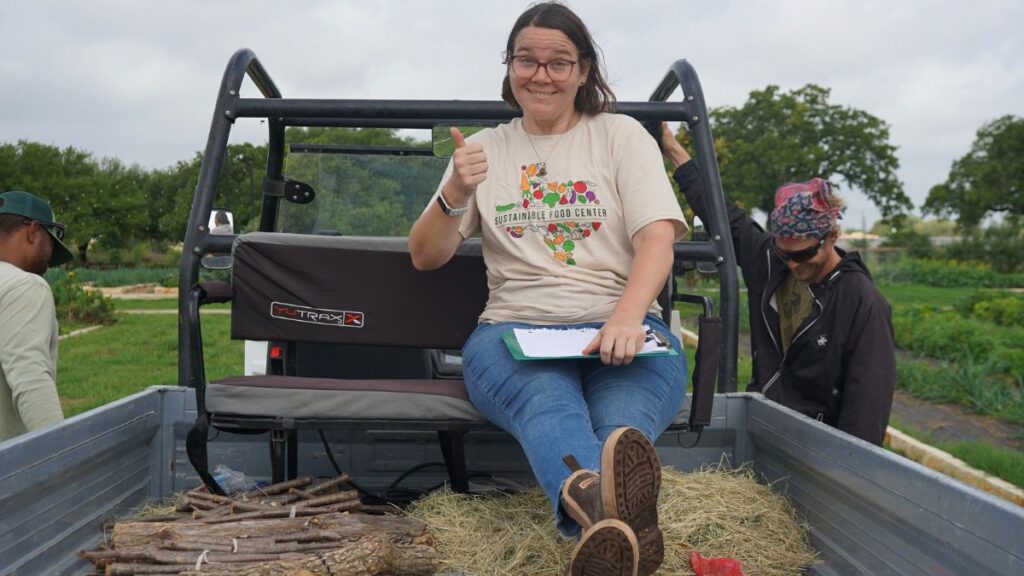
Farm visits help us ensure transparency in the supply chain and also give us a chance to connect with farmers more directly about their operations. There is so much variation in the Texas landscape and how it interacts with food production – from sandy soils needing a lot of amendments, to pastures that were previously overgrazed and are consequently dominated by thorny weeds. Awareness of the challenges small-scale farmers face informs SFC’s priorities in farmer advocacy and resources like SFC’s Farmer Newsletter. Are you a Texas farmer? Sign up for the Farmer Newsletter to receive a curated selection of Texas agriculture resources including job opportunities and grants.
Cottage Foods
Market goods that are lower risk for spoilage like jams, cookies, and bread made by small-businesses (earning less than $50,000 annually in revenue) are regulated under Cottage Food Law. Although this category exempts vendors from some permit requirements, cottage food vendors still have to register with the state, complete a basic food safety course, and comply with product labeling requirements.
Labels are the main quality assurance mechanism for small-batch cottage foods. Labels must show the date the product was made, any ingredients associated with common allergies, and a disclaimer that the food isn’t subject to inspection. See full list of labeling requirements. Although cottage food operations aren’t inspected by the health department, they can be shut down by city or state health officials if it’s determined that products are putting community health at risk.
Eggs And Meat
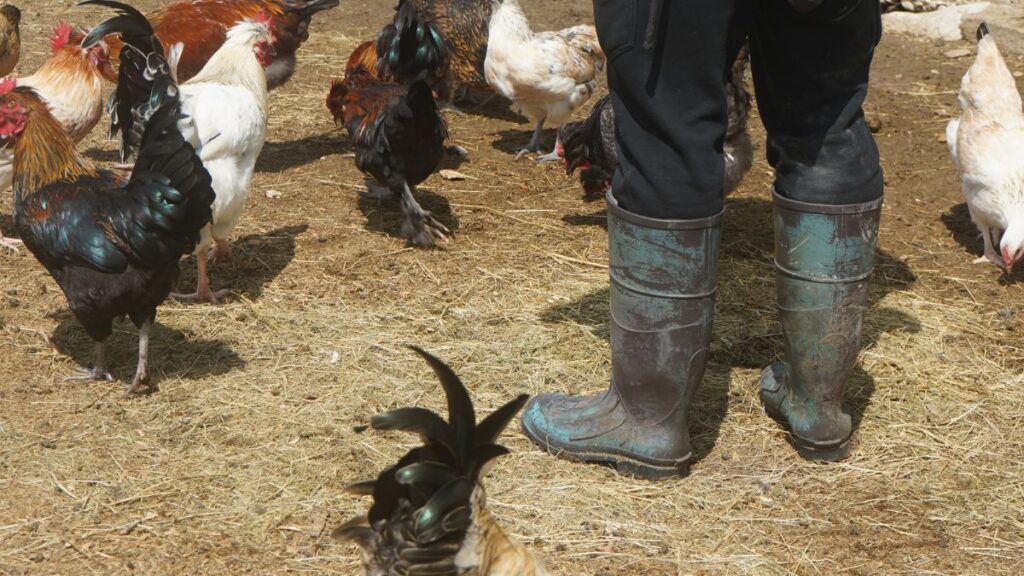
Although eggs are higher risk for spoilage than cottage foods like jams, small-scale egg vendors don’t need inspections or permits to sell ungraded eggs. In eggs, “ungraded” means they haven’t been inspected or sorted into groups based on quality. Egg grades are determined by factors like shell, egg yolk, and egg white quality.
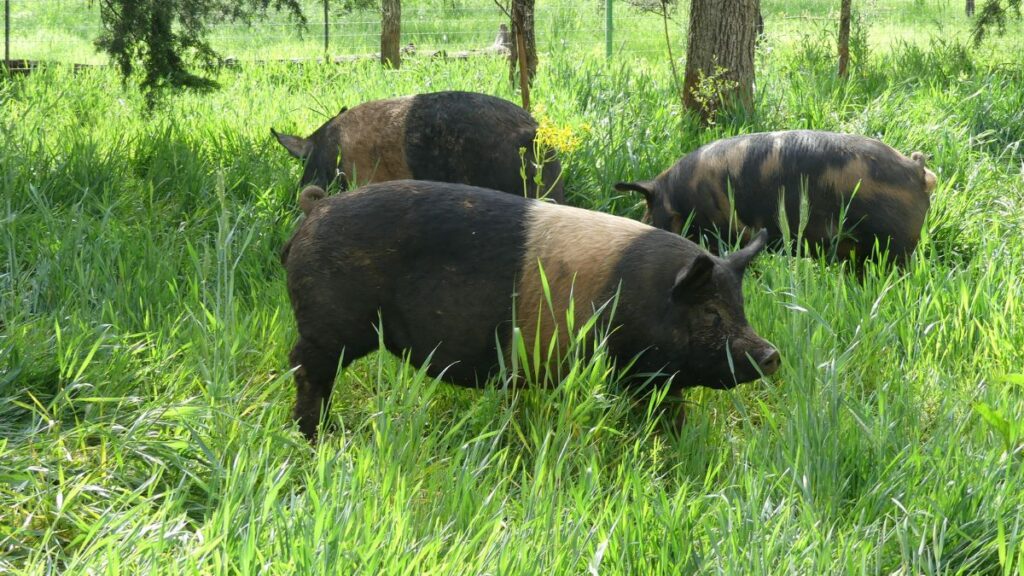
In Texas, all meat sold to the public must go through a state-approved processing center. No one is allowed to sell meat from an animal slaughtered at their home or farm. Other required permits for selling meat in Texas include a food handler’s license and a health permit from city, county, or state health departments.
Fresh, Local Foods
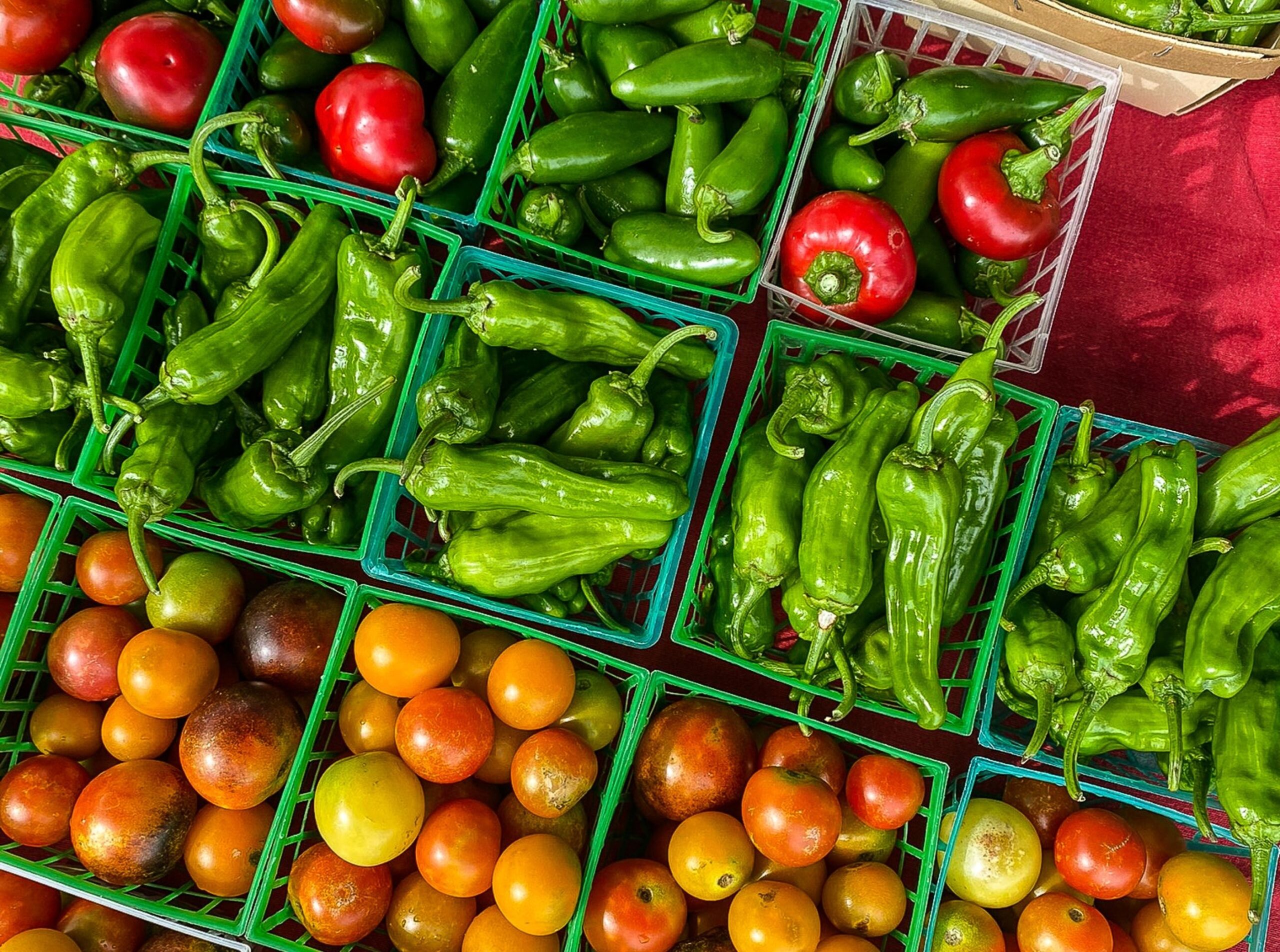
When it comes to locally grown fruits and veggies, most of the time permits aren’t needed to sell whole, fresh produce. That means you’re the inspector, and freshness that you can see, feel, and taste is the measure of quality. For questions about produce cultivation including pesticide use, farm sustainability, and location, you can ask the farmer who grew it at the time of purchase.
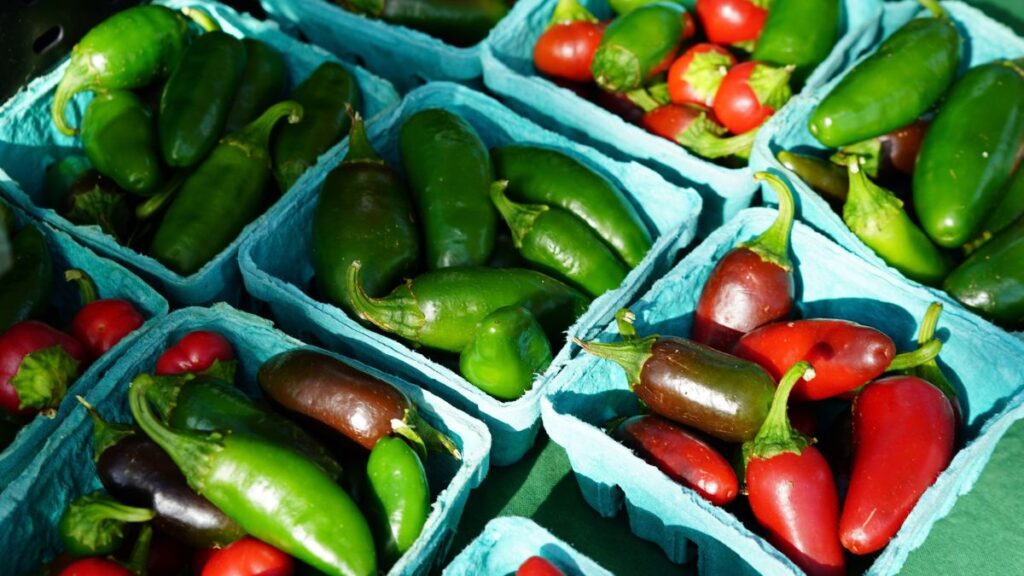
Although there isn’t the same kind of paper trail on market produce as the “Grown in California” stickers on fruit at the grocery store, the ability to ask the grower directly about farming practices provides greater supply chain transparency for market produce than many larger-scale stores can offer.
local food for every budget
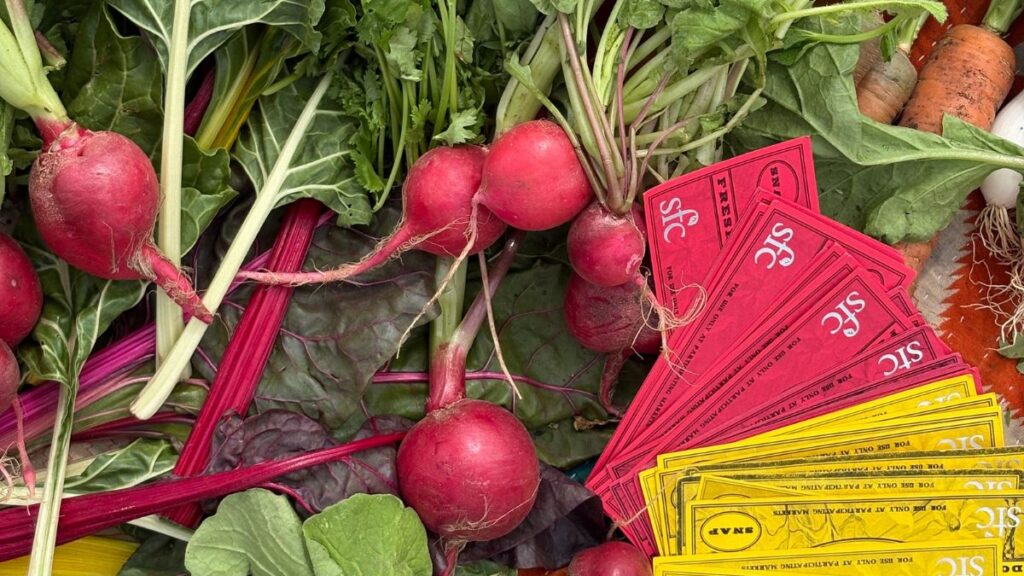
As of September 2026, the price of food in the US has risen over 30% since 2020. Putting food on the table, let alone high-quality food, is a bigger challenge for Texas families than ever. SFC’s program Double Up Food Bucks Texas (Double Up Texas) supports fair access to high quality food by doubling SNAP benefits to spend on fresh fruits and vegetables at over 100 Texas farmers’ markets and grocery stores. Plus, Double Up Texas boosts sales for Texas farmers and strengthens the local economy. That’s a WIN WIN WIN!