


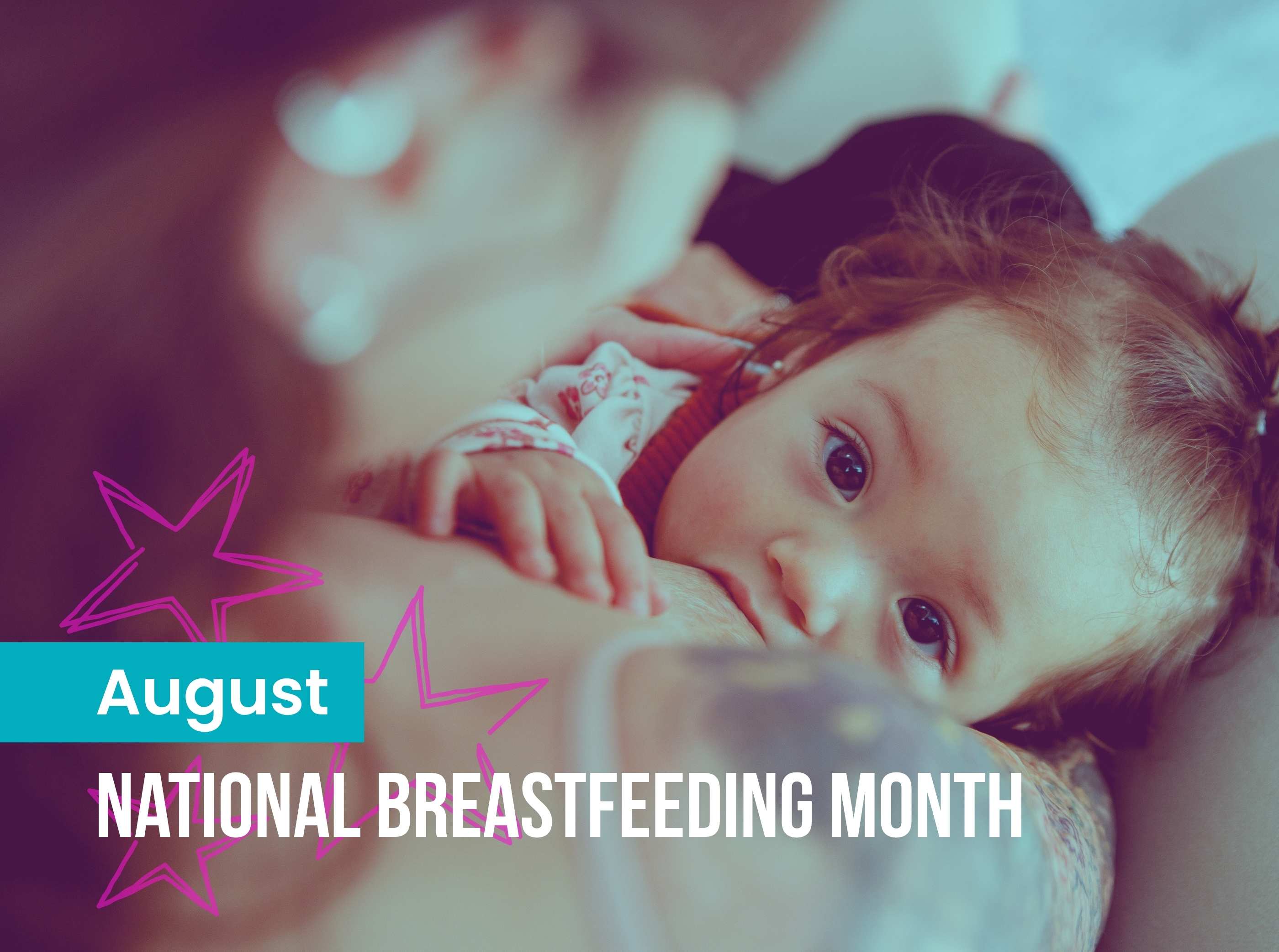
August: National Breastfeeding Month
Who can breastfeed?
When kids learn about different types of animals, one key fact they hear again and again is that mammal species produce milk to feed their babies. In fact, the word mammal comes from the Latin “mamma”, meaning breast, in reference to species with mammary glands to nurse their babies.
Fun fact: all mammals have mammary glands, no matter their gender! Hormonal differences determine whether the mammary gland becomes a breast that can lactate (produce milk) or not.
In humans, breastfeeding is a deeply personal journey that is influenced by many factors. Some mothers and parents need to use formula instead of or in addition to breastfeeding due to work hours or functional changes in their breasts. But for parents who choose to breastfeed, it’s helpful to understand how what you eat, drink, and do influences you and your baby’s breastfeeding experience.
Food Access & Breastfeeding
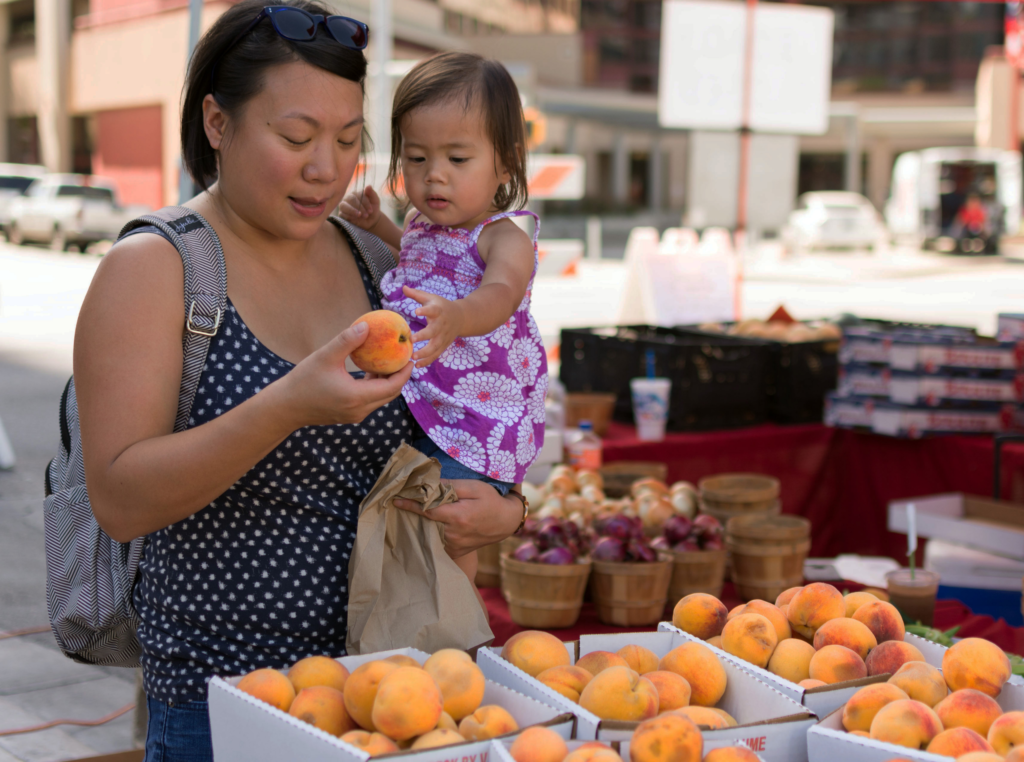
Breastfeeding mothers are encouraged to eat around 300-400 more calories a day than their caloric intake before pregnancy. How much more a person should eat during breastfeeding varies person to person and is something a nutritionist or WIC Lactation Specialist can help determine.
Breastmilk is made of 88% water, making hydration essential while breastfeeding, and the remaining 12% of breastmilk is made up of proteins, carbohydrates, fats. As a baby develops, the composition of breastmilk changes to support their unique health needs. This seemingly magical ability of breastmilk to change its composition happens naturally through information exchanged by the baby and mother’s bodies during the close contact of breastfeeding.
The nutrient content of breastmilk is remarkably consistent even between moms eating very different diets. Following regular nutrition advice to eat 3-5 servings of fresh fruit and vegetables a day, whole grains, lean protein, dairy, and minimal fat and sugar is adequate for nutrition during breastfeeding, too, and will support overall energy levels.
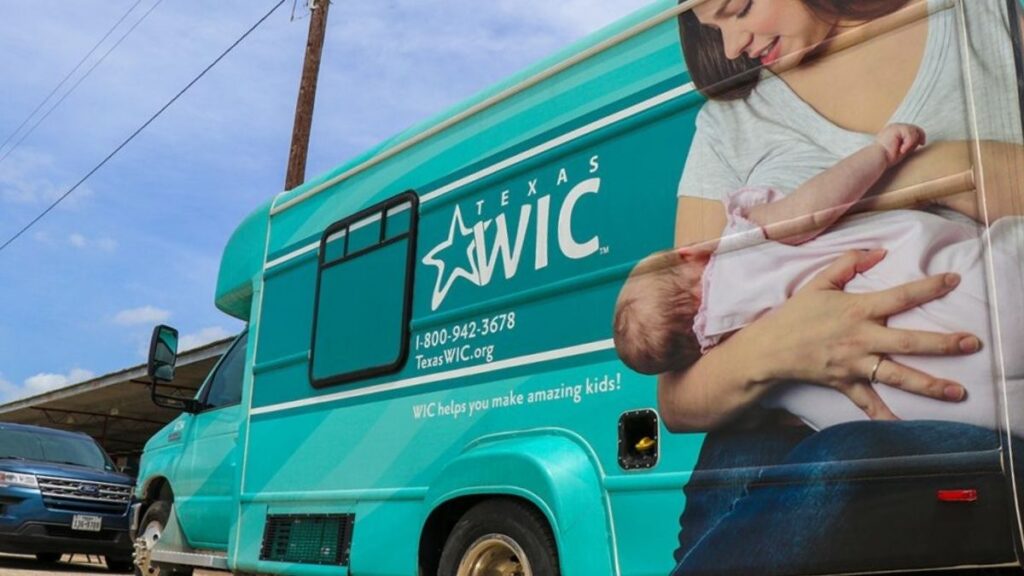
Texas Women, Infants and Children (WIC) programs are designed to ensure parents have the resources and nutrition knowledge to nourish families and build the foundation for a lifetime of health and wellness. Eligible families can receive benefits to help by certain types of food (nutrition assistance) and resources like nutrition and lactation consultations. Mothers who receive WIC and are exclusively breastfeeding receive a larger food stipend.
Flavor
Although avoiding or increasing consumption of certain foods doesn’t have a big effect on breastmilk’s nutrients, what parents eat does affect the flavor of milk. Herbs, garlic, and anything with a strong flavor can flavor breastmilk. Babies may prefer certain flavors over others and even remember flavors from breastmilk once they start eating solid foods.
How it Feels
In addition to the nutrition breastmilk provides, breastfeeding also supports bonding, healthy development, and stress management for mother and baby. Skin-to-skin contact and hugging with caretakers are important for babies and small children to feel safe and provide the foundation for social development. For moms, breastfeeding is linked to reduced postpartum depression and anxiety.
For all its upsides, breastfeeding isn’t always easy. Whether breastfeeding exclusively, partially, or formula feeding, it’s common for parents to need expert guidance to make a nutrition plan that works long term.
Texas resources
Texas WIC offers comprehensive resources from food assistance to nutrition education. If you already have WIC, you can call SFC’s bilingual Help Desk (Spanish and English) for information about making the most of your WIC benefits with programs like:
WIC Voucher Program – Statewide at select farmers’ markets
Triple WIC – All year long only at SFC Farmers’ Markets (Austin)
WIC Mobile Unit Pop Up – Every second Saturday at SFC Farmers’ Market at Sunset Valley
Texas WIC Lactation Support Centers
Texas Lactation Support Hotline
855-550-6667
The Dallas Lactation Care Center operates the Texas Lactation Support Hotline (TLSH). All families and providers are encouraged to call the TLSH for questions on breastfeeding management or assistance in finding local IBCLC services.
Houston – The Lactation Foundation
713-500-2800, option 1
Dallas – Lactation Care Center
214-670-7222
Austin – Mom’s Place
512-972-6700
McAllen – Lactation Care Center RGV
956-292-7711
San Antonio – Lactation Support Center
210-207-7138