


National Peach Month
The History and Future of Texas Peaches
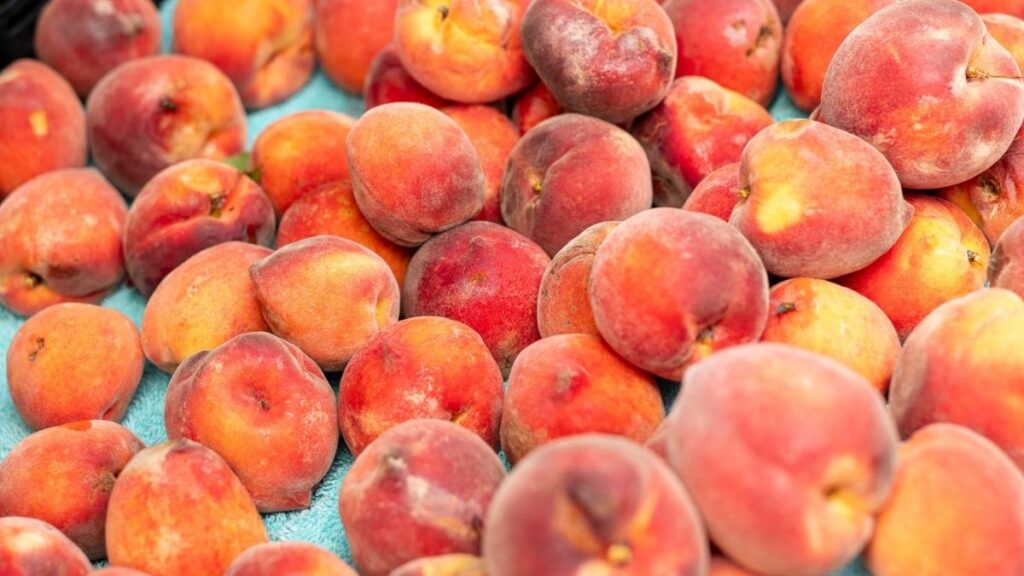
These days, peaches are a staple of Texas summer and an important crop across the Southern US. But that wasn’t always the case. In fact, compared to foods native to Texas like pecans and persimmons, peaches, which are originally native to Asia, are a recent arrival.
Peaches were introduced early on during European colonization of the Americas and were spread through trade. Like its fellow stonefruit plums and apricots, peaches find success in parts of the US with warm summers and cool winters. Peaches require a period of time below 45 degrees fahrenheit, called “chill hours”, meaning temperate and tropical areas with very mild, warm winters aren’t suitable for peach cultivation.
The 2026 peach crop is smaller than past seasons because Texas experienced a very mild winter followed by a late spring freeze. But don’t worry, there are still peaches! As seasonal temperatures trend warmer and extreme weather becomes more common, Texas farmers face new challenges to their livelihood.
You can do your part to support small-scale farmers by enjoying a Texas peach this month and all peach season! Find a farmers’ market near you at DoubleUpTexas.org
Over 100 Years of Texas Peaches
1850-1920: German and Polish immigration to the Texas Hill Country created a distinct culture in the region. Many immigrants were farmers in Europe and brought agricultural skills with them. It’s thought that “cobbler” first appeared in this era as a dessert to enjoy “cobbled together” ingredients.
1920-1950: In 1921, boll weevils destroyed many Texas cotton crops, prompting farmers to BRANCH OUT into fruit production!
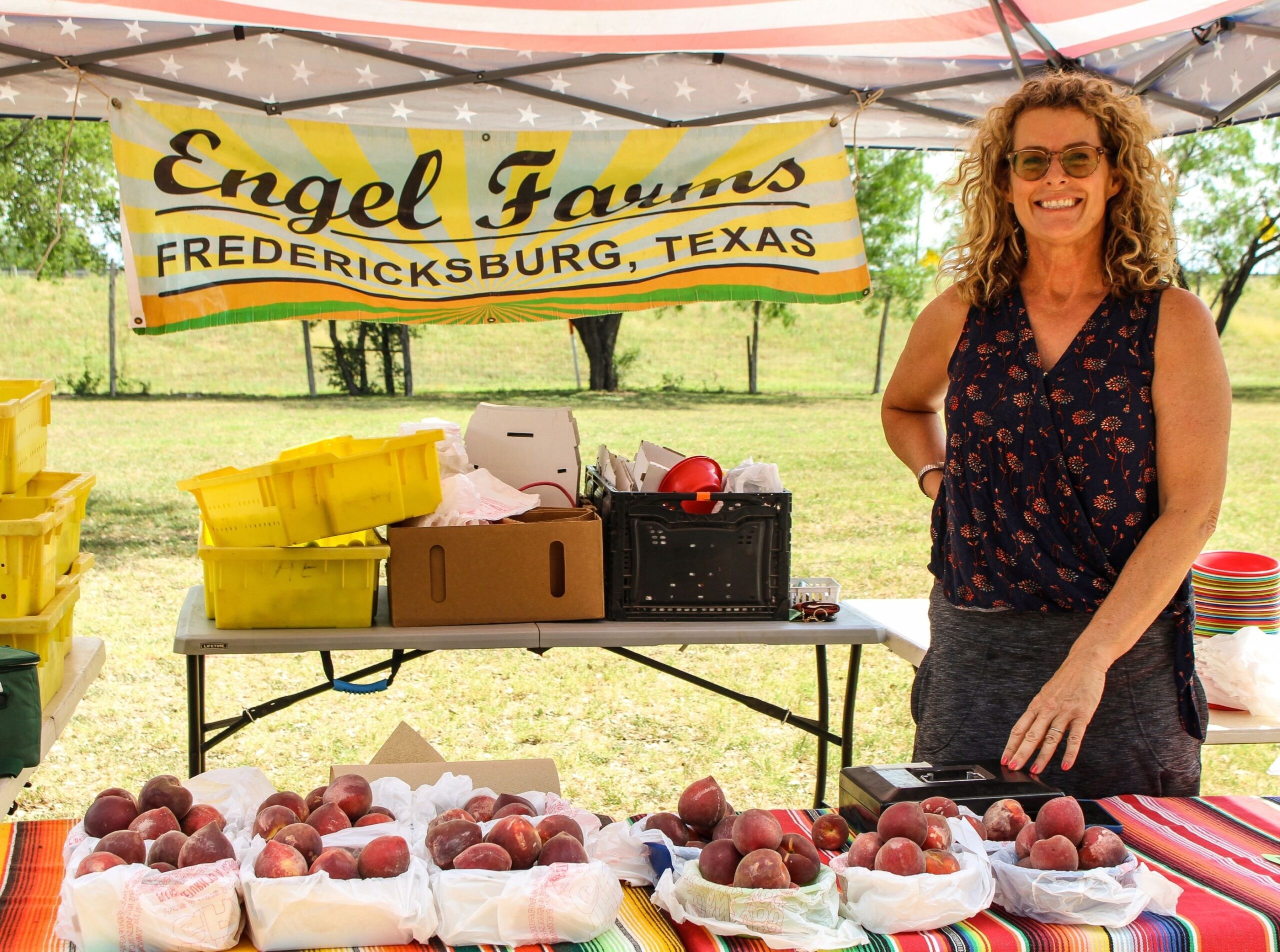
Farmers in the Fredericksburg and wider Gillespie County areas found that regional weather and soil conditions produced large, sweet peaches.
1950-1980: The Texas peach industry peaks, enjoying booming sales both directly from farmers via farm stands and markets and in wholesale markets.
1980-2026: Gillespie County still produces about ⅓ of Texas peaches, but small farmers across the state are under pressure from farmland development and industrial scale competition.